
Products | Steligence®
Steligence®
Steel has long been integrated into building construction and recognized as a significant material in traditional and modern building design. Steligence® is a research initiative delivering a range of fact based sustainability and cost benefits to architects, engineers, urban planners, real estate developers and construction contractors. Each benefit is individually attractive; together, they create a compelling argument for the use of steel products in construction.
WHAT IS STELIGENCE®?
Steligence® is a global initiative by ArcelorMittal using scientific evidence to show the benefits of steel design in building construction. Using a holistic analysis concept, competitive steel building solutions are identified.
WHY STELIGENCE®?
Steligence® allows building owners, architects, and engineers a fact based approach to view building construction, for collaboration to build sustainable, more cost-effective building
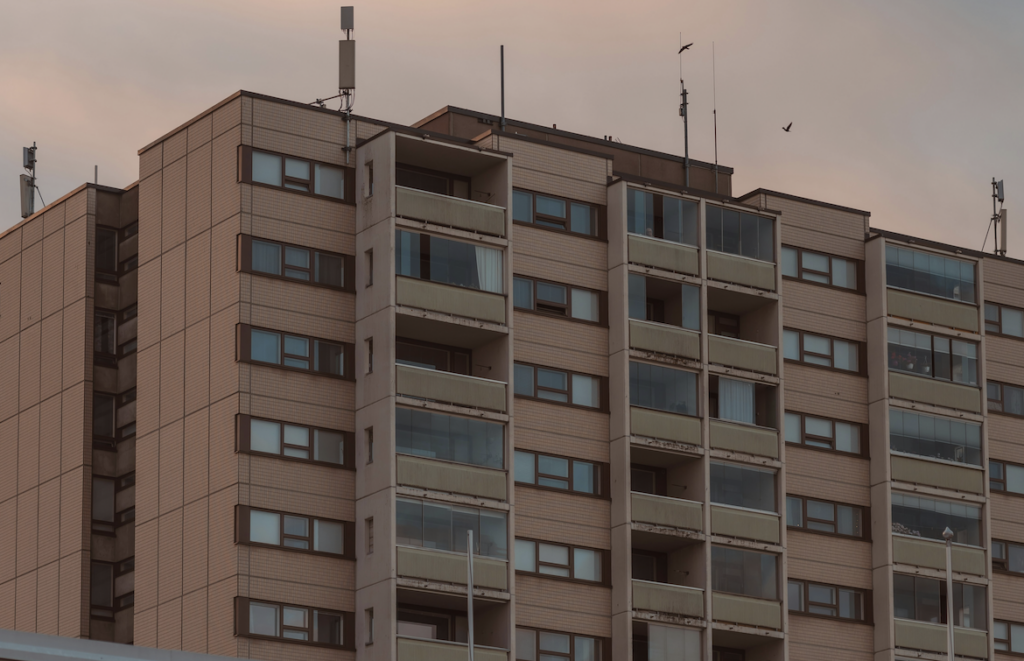
DEEP ENERGY RETROFIT: OVER-CLADDING CASE STUDY
This case study examples eight exterior retrofit assemblies.
Download the Case Study
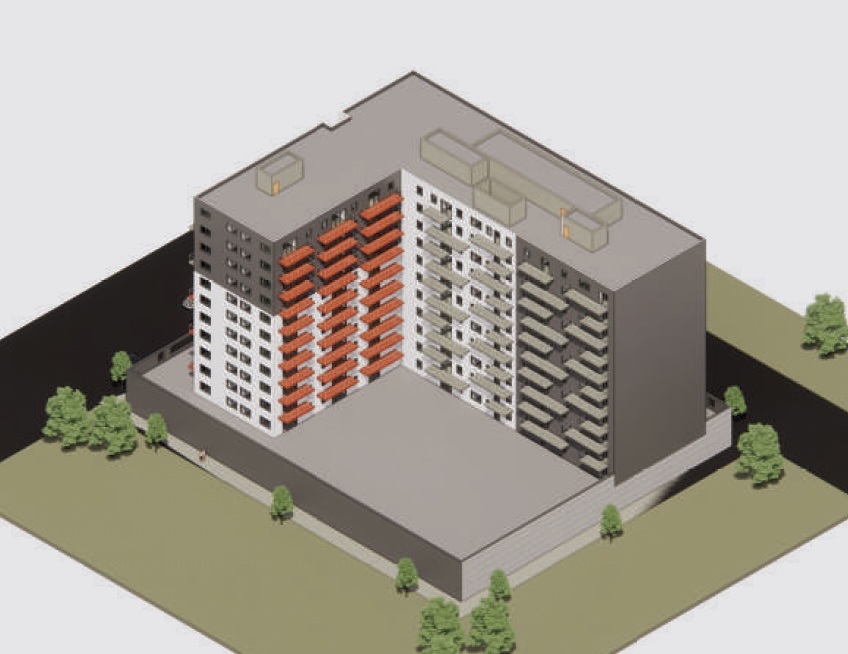
HIGH-RISE RESIDENTIAL CASE STUDIES
The case study was designed as a 12-storey residential building for a corner site overlooking two streets located within the Greater Toronto and Hamilton area.
Download the 12-storey Case Study
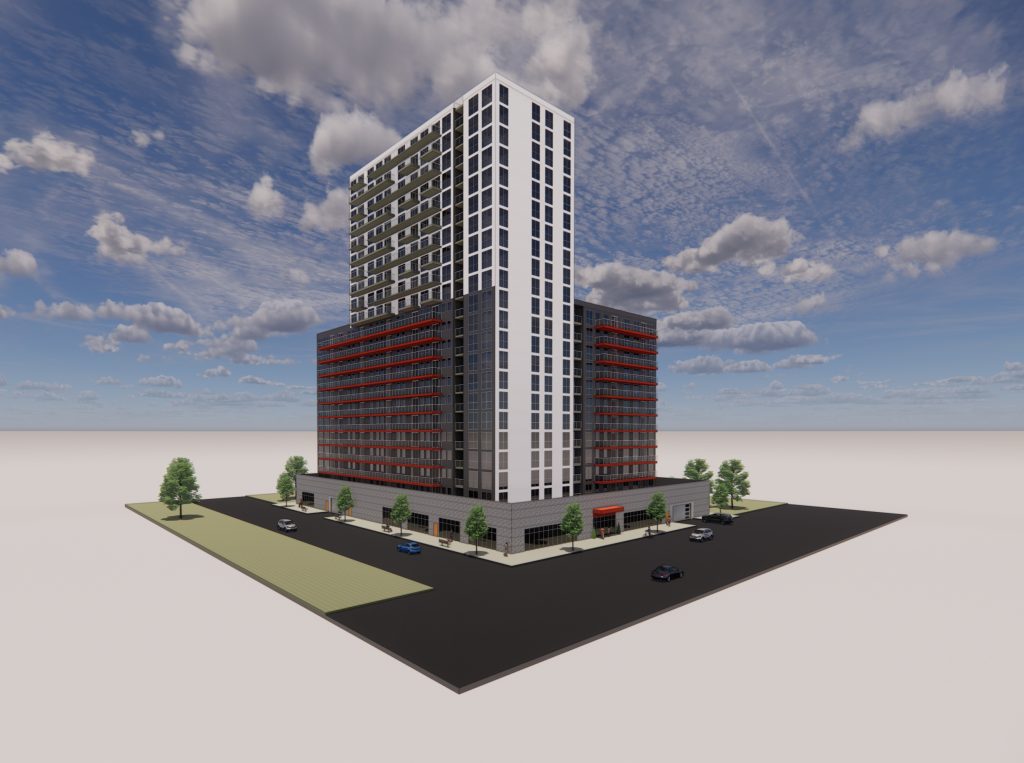
Download the 22-storey Case Study
The case study was designed as a 22-storey residential building for a corner site overlooking two streets located within the Greater Toronto and Hamilton area.
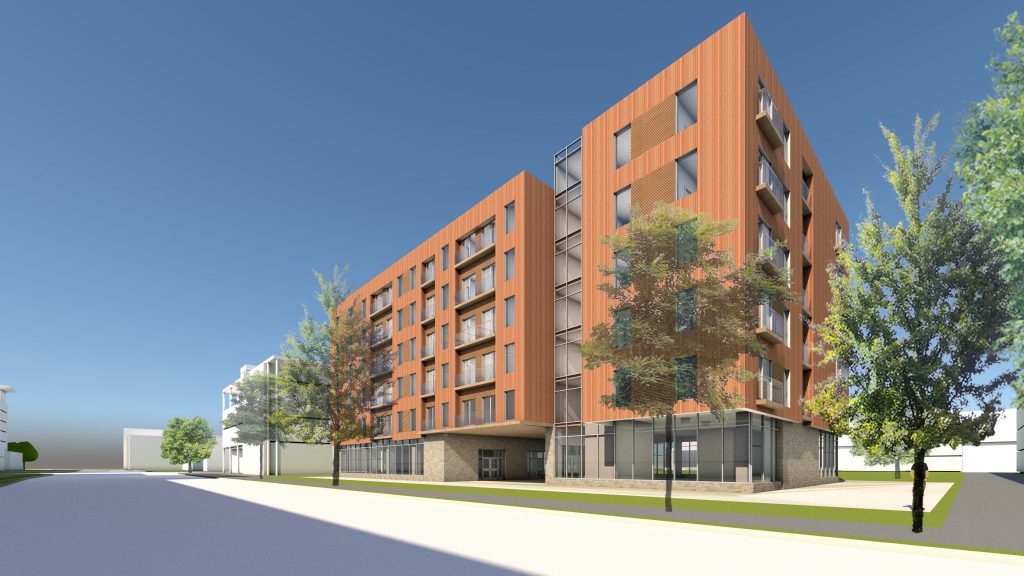
PASSIVE HOUSE / NET ZERO ENERGY READY CASE STUDY
This study examines how steel, concrete and mass timber construction compare in a 6-storey residential building in the Greater Toronto Area designed to achieve a Passive House / Net Zero Energy rating
Download the Case Study
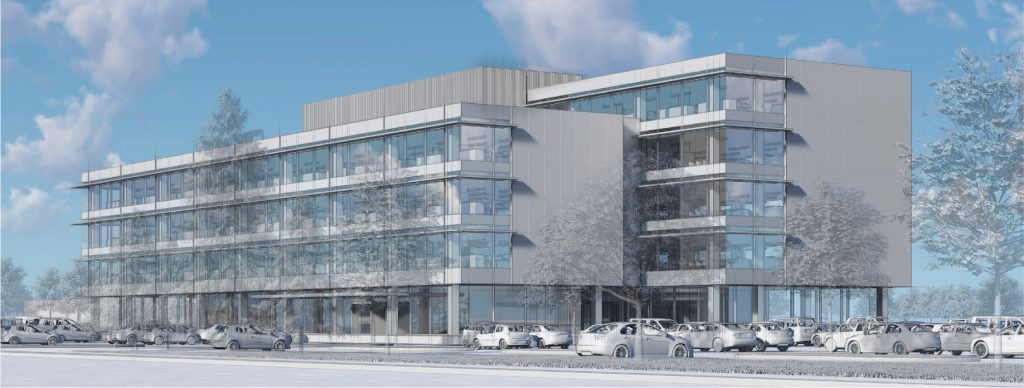
OFFICE BUILDING CASE STUDY
In the case study presented here, a mid-rise office building in the Greater Toronto Area was virtually designed using steel component construction and contrasted against concrete construction
Download the Case Study
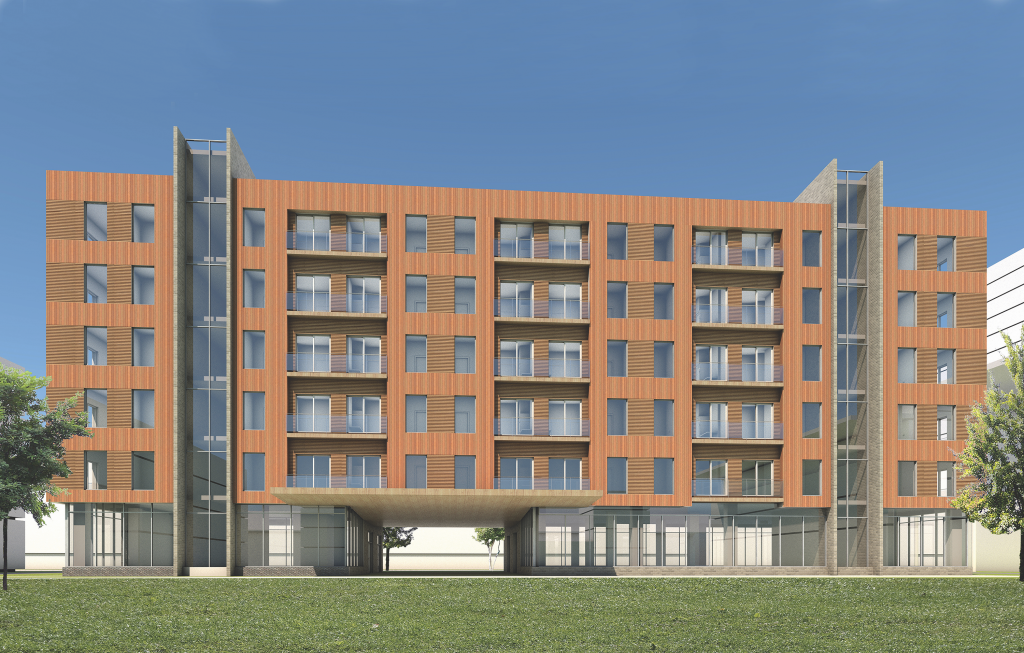
MID-RISE RESIDENTIAL CASE STUDY
The case study was designed as a 6-storey mixed-use commercial and residential building located in the Greater Toronto and Hamilton area. The design uses a split ground level podium for the commercial space separated by a pedestrian walkway, and residential units occupying the upper levels.
Download the Case Study